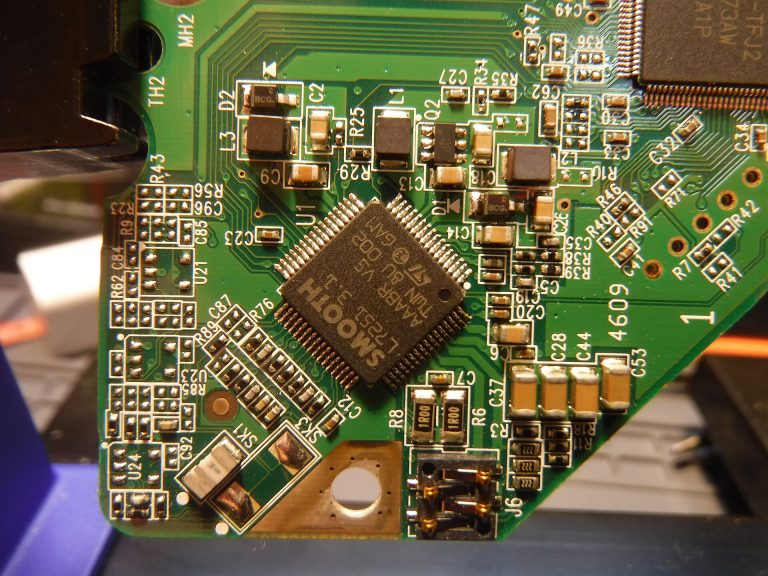

A date code is a manufacturing date, not an expiry date. It tells you when the lot was assembled, which in turn tells you how long it has been in storage and how much of its shelf life has gone.
Most codes fall into four shapes: a four-digit YYWW, a two-digit year plus a week letter, a full date in YYMMDD, and a manufacturer-specific code that needs the datasheet to decode. The same part number can carry different formats depending on the fab and the year.
What matters for acceptance is consistency. If the label, the reel and the inner box disagree, stop there — a mismatch is a stronger signal than an old code. An old but consistent lot is a commercial question; an inconsistent one is a traceability question.
For moisture-sensitive parts, the date code also sets the floor life clock. A part manufactured three years ago has almost certainly been through a bake cycle, and the packaging should say so.